Pedagogía del Ritmo: De Senegal a Guerrero, México (2026)
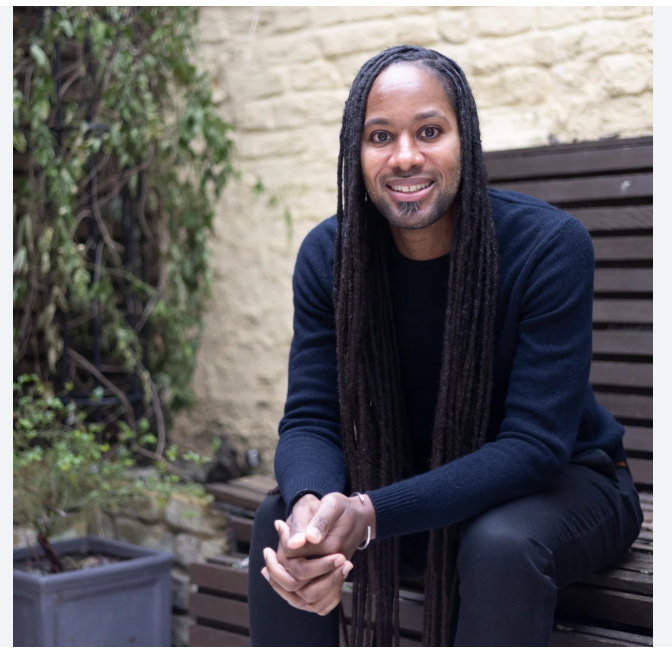
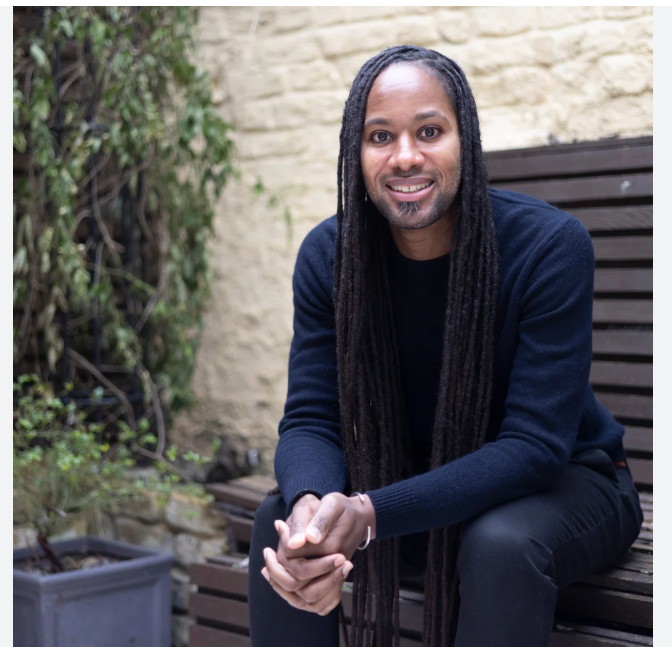
En este artículo, exploro la obra del artista afromexicano de hip-hop, José “Yo MC Youalli G” García Torres, como maestro y artista a la vez, al identificarse y reflexionar sobre la historia antigua y el papel cultural de los griots. También utilizo la correlación que la escritora Dee Williams establece entre la estética lingüística del hip-hop y los métodos críticos de Paulo Freire en Pedagogía del Oprimido.
Pedagogy of the Rhythm: From Senegal to Guerrero, Mexico (2026)
In this article, I explore the work of Hip-Hop Afro-Mexican artist, Jose “Yo MC Youalli G” Garcia Torres as being both the teacher and artist by identifying with and contemplating the ancient history and cultural role of griots. I also use writer Dee Williams’ correlation to hip-hop’s linguistic aesthetic with Paulo Freire’s critical methods in Pedagogy of the Oppressed.
Agua Escondido: Sentido del Espacio, Cambio Climático y Migración en la Costa Chica, México (2025)
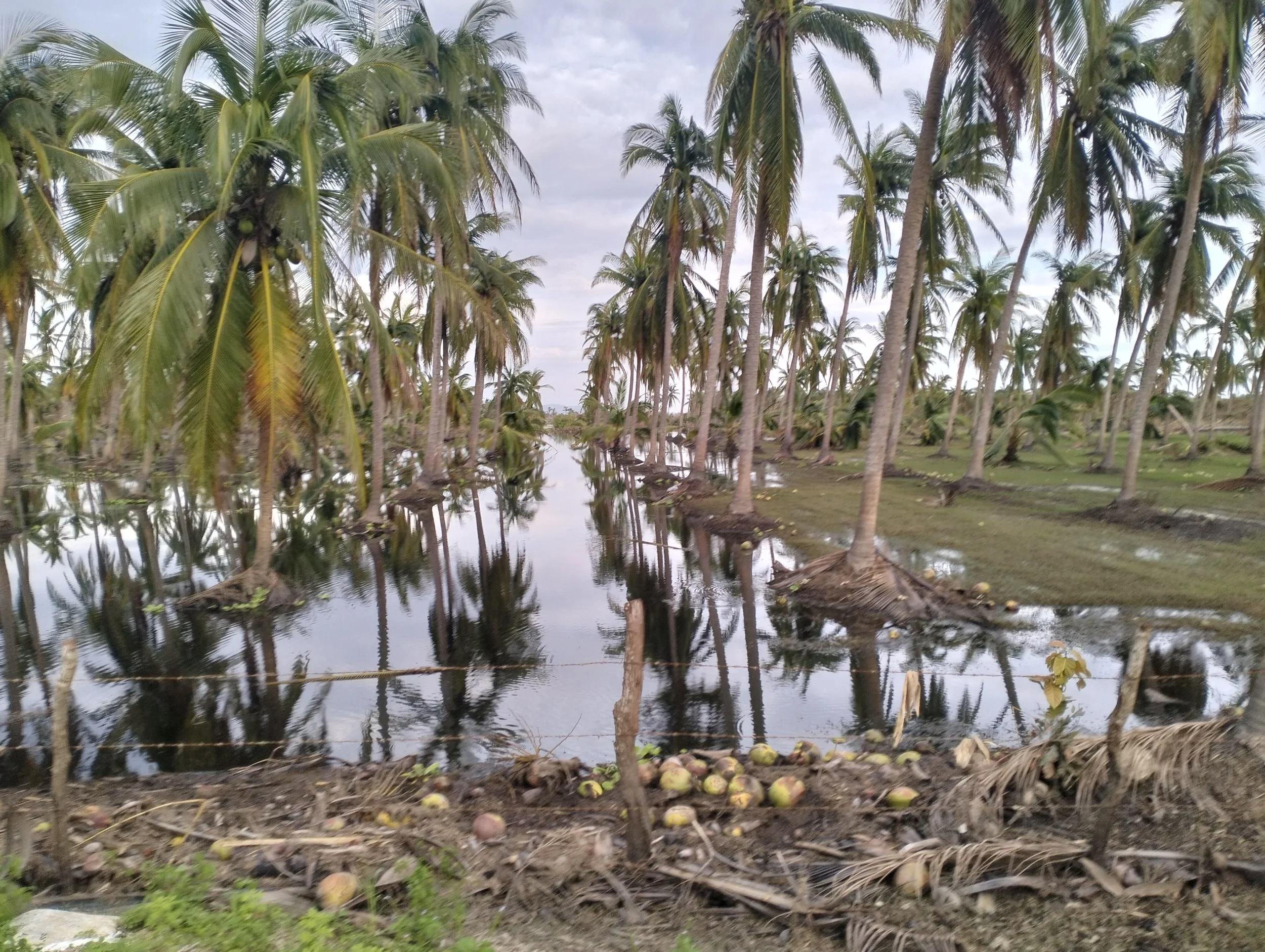
El prefijo del título de este artículo es "Agua Escondida". El título es demostrativo en su significado, ya que se relaciona con el agua como el recurso integral de la vida, incluyendo la región costera suroeste de México. Sin embargo, el efecto o condición "oculta" de las aguas costeras es una revelación sobre la discreción de la comunidad ante el posible efecto del cambio climático. El efecto "oculto" es la energía enigmática de los huracanes o tormentas tropicales que confronta la región estacional e intrusivamente. O son las aguas amenazantes a lo largo de la frontera a las que los migrantes se acercan regularmente en busca de trabajo y sustento material para remitir a sus familias en su hogar de origen en la Costa Chica, México y más allá. Es una revelación sobre el agua como el recurso "oculto" esencial para el cultivo de alimentos agrícolas que requiere "alrededor del 70 por ciento de toda el agua utilizada para la producción y el consumo humano" (Kehl 2013). La referencia “oculta” también reflexiona sobre las tensas aguas de las playas de la ciudad de Puerto Escondido en la Costa Chica, México.
Agua Escondido: Sense of Space, Climate Change, and Migration in Costa Chica, Mexico (2025)
The prefix of this article’s title is “Agua Escondida” meaning “Hidden Waters”. The title is demonstrative in its meaning as it relates to water as the all-encompassing resource of life including the surrounding southwestern coastal region of Mexico. However, the “hidden” effect or condition of the coastal waters is a revelation on the community’s inconspicuousness on the possible climate change effect. The “hidden” effect is the enigmatic energy of the hurricanes or tropical storms that confronts the region seasonally and intrusively. Or, it’s the looming waters along the frontera (frontier) border that migrants approach regularly in search of work and material sustenance to remit to their families in their home of origin in Costa Chica, Mexico and beyond. It’s a revelation on water as the “hidden” resource essential for the cultivation of agricultural foods which requires “about 70 percent of all water used for human production and consumption” (Kehl 2013). The “hidden” reference also muses on the tense waters at the beaches in the city of Puerto Escondido in Costa Chica, Mexico.
Restorative Justice and Ethopolitics (2020)
Foucault relativizes these techniques of power into the prison space: “The prison ...has to extract unceasingly from an inmate a body of knowledge that will make it impossible to transform the penal measure into a penitentiary operation…..that will be of use to society” (Foucault 1977:234–235) Foucault illuminates the characteristics and motives of the power apparatus. But to situate it into the context of restorative justice work and a dire approximate 2 million incarcerated individuals, it requires an ascertaining of how each engages in the utility of one another.
In the aforementioned, I inquired: how does restorative justice reconcile the prison industrial complex?
Chakaia Booker’s Musings in Conceptual Art: Identity, Afro-Futurism, Spirituality and Environmentalism (2014)
“Since her younger years, Booker’s mode of art practice had always been to recycle deconstructed or second-hand material. (Miles 2014). Conceptually, her earlier artistic work sets up the trajectory of who she is today as a conceptualist sculptor and environmental artist. Yet, such artistic concepts that are representational of her work seemed to have also developed from an amalgamation of ideas and influences: inspiration from other artists, cultural movements and genres, philosophies of thought and the U.S. political economy. In this paper, my intent is to discuss Chakaia Booker’s musing with social space, philosophical thought, identity, afro-futurism, spirituality, and environmentalism in conceptual art.”
Sacred Landscapes in Prehistoric North America: Deconstructing Iconography in Rock Art (2014)
“…..I will use these concepts to understand how such landscapes recognized with particular rock constructions and artistic aesthetics were highly valued as the most sacred and, perhaps, observed through ceremony. Many rock art depictions illuminate how inhabitants in the area subsisted and how they reacted to change within their environment. … The dynamics of rock art in prehistoric North America is that the depictions provide narratives about particular subcultures that diverge from the classic understandings and partitions of the respective nine culture areas.”
Significance of Evolution, Reproductive Fitness and Cultural Adaptation in Skin Coloration (2014)
Romare Bearden’s Black Odyssey’s Power: Asserting ‘BlackCool’ Aesthetics and Uses of the Erotic (2014)
“A Black Odyssey is a visual art presentation based on Homer’s classic Greek epic, The Odyssey. It is rearticulated through the Black cultural imagination. The curatorial direction centered on this 1977 collection in supplement to Romare Bearden’s other series of art work. “
Modern Human Female’s Ovarian Function Continues to Conceptualize on Natural Selection, Adaptation and Variation as Earlier Primates (2013)
Nature, God and Theology: Symbols and Other Concepts Re-Purposed (2013)
Evolving Through the Cultural Memory of the Original Blues Woman (2013)
“Using Dr. Davis’ Black feminist thought on the Blues Woman, I narratively speak on … Valerie June to evolving on her music through her musical aesthetics, ideas on post-blackness and her social consciousness on women’s roles and same-gender equality in the 21st century. But most importantly within all of this, I analyze how June’s own musical aesthetics, personal experiences and socio-political consciousness seem to carry a cultural memory from the traditional Blues Woman of the early 20th century.”
Great Zimbabwe: From Novelty to Silencing the Sacredness (2013)
“This report reviews the common features, historical narratives and past and living entities within the country of Zimbabwe, Africa. The evaluation of the current geography, natural resources and economy of the country helps to draw a connection to the politics, impositions including liberation struggles. The brief review of the ethnicity, language and religion of the people of Zimbabwe may give inference to the functionalities, powers, priorities or lack thereof within the country. The historical text of Chimurenga revolutionary songs, soapstone birds and land reform all draws the past forward to still relevance. This research recognizes the strong connection to sacred concepts and the spiritual world certain groups in the country have. While the site of Great Zimbabwe is generally reviewed as an archaeological feature, national monument or a registered feature on the World Heritage list, social anthropologist Joost Fontein cites the marginalized narratives of the traditionalists that remember the site as a past living sacredness and medium that was connected to the spirit ancestors but has since been commodified, desecrated and silenced.”
Ethnomusicology Field Review w/ Seun Keuti & Egypt 80 @ Variety Playhouse, Atlanta, GA (2012)
“In the opening of the show, Egypt 80 performed the instrumental of “African Soldiers”, while awaiting Seun’s stage presence in standard fashion. The lead guitar initiated with fast stroke rhythms. The strokes are so fast that rest intervals are completely oblivious, if subtle. The wood block instrument then inserts into the instrumental with a casual clucking - two one-half notes per measure. The fast rhythms of the guitar are very spellbinding and emphatic, that the movement of the congas, drum-set and shekeres are very ambiguous. The guitar and percussion instrumentals consumes the audience for the first forty seconds of the song, until the trumpet plays asserts itself as the lead for approximate thirty seconds until the saxophones adjoin and blend into the air. As the horns become more complicated in texture, the bass guitar assumes a role in a more defining sound of the rhythm. The congas and 5-piece drums become more announced. The keyboard is very inconspicuously but it’s serving its purpose harmoniously. The instrumentals remain interactive until the brass players yield to only one solo horn at a time; this alters the horn texture and tone to the integrity of the specific horn in lead. The baritone saxophone is distinguishably much lower in pitch and timbre than other saxophone and trumpets. The instrumental warm-up eventually concludes as a signal for Seun Kuti’s stage entrance.”